Community pipes do not fail politely. They clog on holiday weekends, erupt near playgrounds, and back up into ground-floor units when board members are out of town. If you manage an HOA or a community association in Dallas, you already know the game: long stretches of shared infrastructure, unpredictable usage patterns, and the pressure to keep residents happy while protecting the budget. Sewer cleaning lives at that intersection. Done well, it extends asset life, keeps insurance claims in check, and reduces emergency calls. Done poorly, it shows up as brown water in bathtubs.
This guide draws from field experience with Dallas neighborhoods and the realities of North Texas soils, trees, and building stock. It covers how to structure a sewer maintenance program for communities, what technology makes sense, when to call in specialized sewer cleaning services, and how to communicate with homeowners so they care about what they cannot see.
What makes Dallas different
Dallas isn’t a one-pipe-fits-all town. You’ll see postwar subdivisions with cast iron laterals, master-planned communities from the 90s, and brand-new mixed-use developments with code-compliant PVC. Across those neighborhoods, three local factors drive sewer issues.
First, expansive clay. The black gumbo soil in North Texas swells when saturated and shrinks during drought. That movement stresses shallow sewer lines, opening joints and nudging grades out of alignment. A pipe built with a perfect slope can settle by a fraction of an inch, just enough to create bellies where debris pools.
Second, trees. Live oaks, hackberries, and pecans love sewer lines. Any joint in a clay or cast iron line becomes a root invitation. Fast-growing roots exploit hairline openings, causing chronic blockages that get worse each season.
Third, swings in usage. Communities host more than single-family routines. Clubhouses, pools, fitness centers, and seasonal events generate surges. Weekend sports tournaments fill parking and bathrooms. Holiday parties send grease and wipes through pipes in a short window. Peaks matter, particularly where private systems feed into a few main runs before connecting to municipal mains.
The Dallas context changes the default advice. “Clean every three years” for a standard building isn’t enough. You need a program tuned to soil movement, root growth, and community usage patterns.
Where HOA responsibility begins and ends
Every set of governing documents draws the line differently. Some associations own and maintain all common sewer laterals up to the property line or the tie-in to the city main. Others own only mains in private streets, with individual homeowners responsible for laterals from the home to the main. Townhome and condo maps add another layer, where stacks and branch lines are shared.
The practical task for a board or manager is to map responsibility in plain language and diagrams. A one-page schematic with color-coded segments saves hours during a midnight emergency. If your community hasn’t done this, ask your maintenance partner to perform a quick survey and produce a map. It will inform your scheduling and your reserve study.
On city responsibility, Dallas Water Utilities typically maintains municipal mains in the public right of way. Private systems on HOA land are the HOA’s job. When the boundary is unclear, a pre-established contact with the city helps. In experience, a call is resolved faster if you know the nearest manhole IDs and have recent inspection notes.
The anatomy of a community sewer system
Think of the network in three tiers. First, household or unit laterals. Second, branch lines within shared areas such as private streets, parks, or courtyards. Third, the community mains that collect those branches. Problems can originate in any tier, but cleaning approaches differ.
Laterals clog from grease, wipes, and scale. Branch lines and mains suffer from sediment, roots, and grade issues. Where grades dip, you see “bellies” that trap sand, small rocks, and organic material. Over time, these become blockage seeds, especially after a heavy rain when infiltration brings in silt.
HOAs benefit from viewing the system not as static PVC but as a dynamic machine that needs flushing, camera checks, and occasional rebalancing. If your reserve study lists “sewer” as a single asset line, break it into subcomponents. The more granular the plan, the more accurate your budgeting will be.
Technical approaches that fit Dallas communities
Sewer cleaning services in Dallas lean on five core methods. The right fit depends on pipe size, material, and problem type.
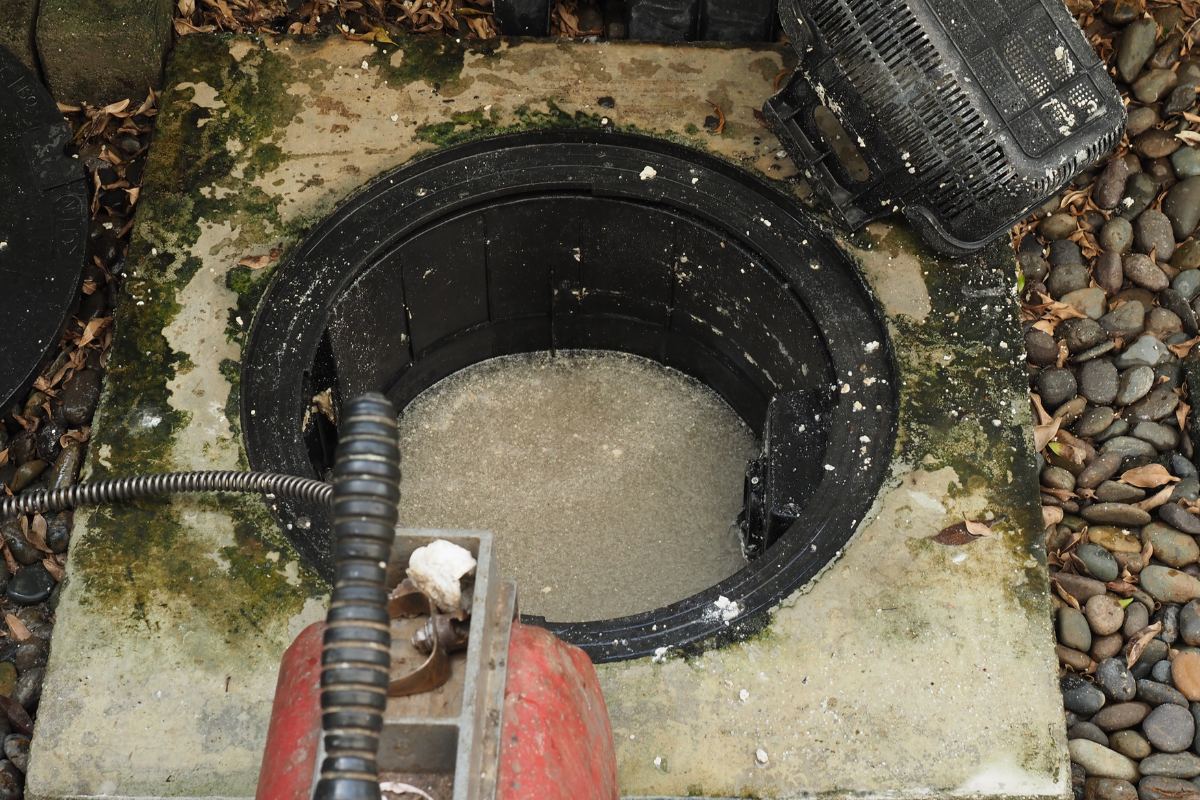
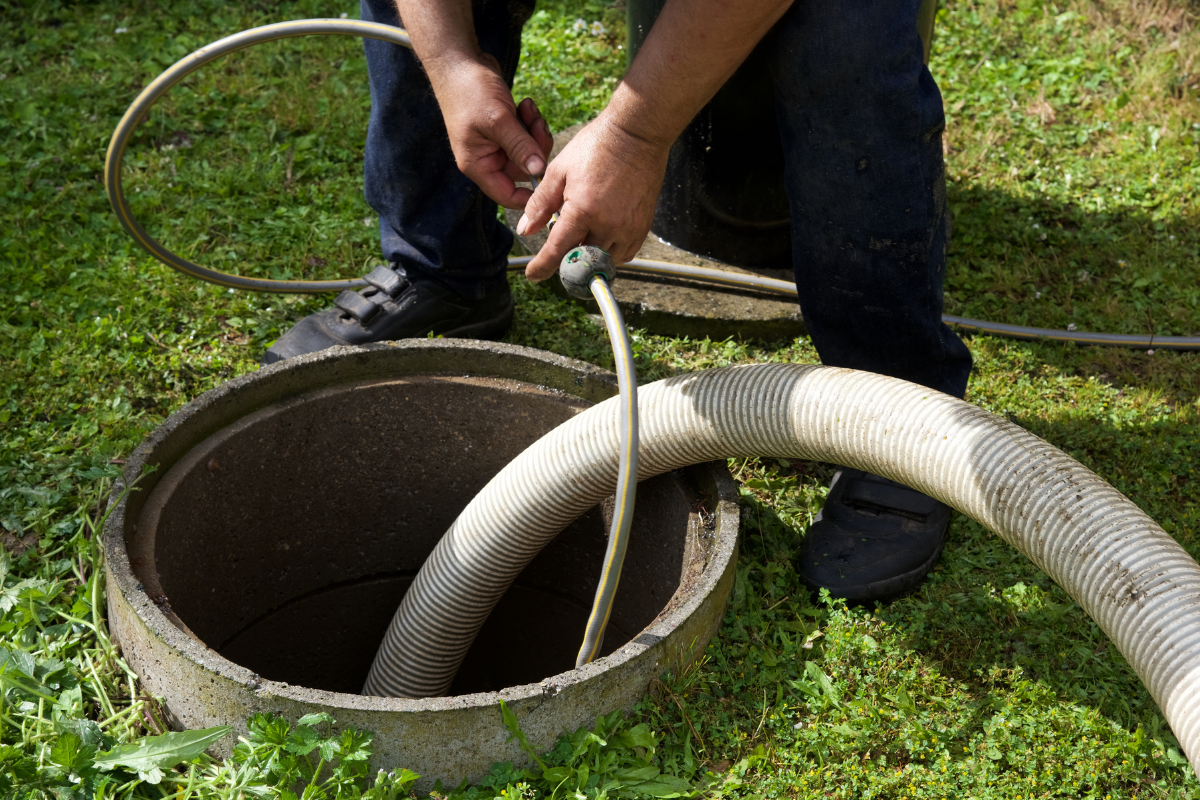
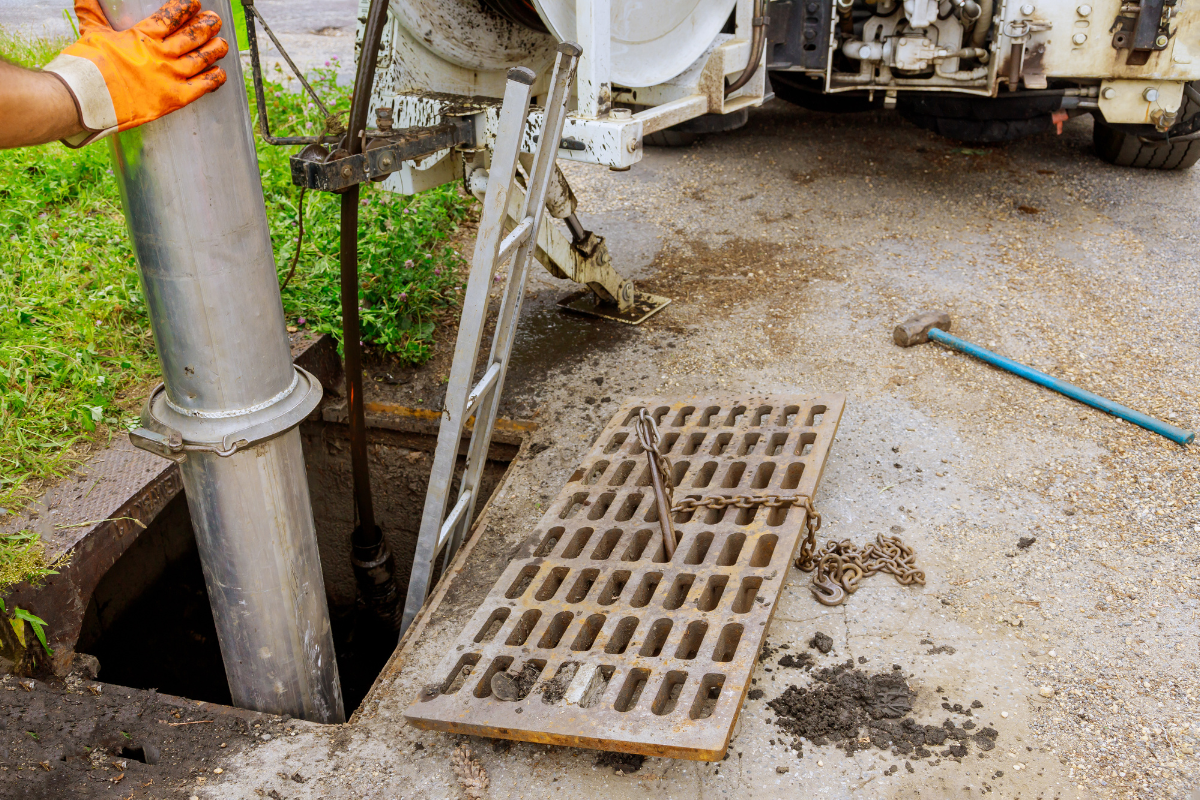
Hydro jetting. A high-pressure water stream scours the interior of the pipe. For 4 to 8 inch community mains and branches, 2,000 to 4,000 PSI with the right nozzle clears grease, sediment, and small roots. Experienced techs reduce pressure in brittle cast iron to avoid damage. Jetter reels with 300 feet of hose can typically reach most runs from manholes, though some cul-de-sacs require staged setups.
Mechanical rodding. A rotating cable with cutting heads is effective on roots in clay and cast iron. It is a contact method, so it can nick older pipes if forced. A common Dallas approach is pre-cut with a root saw, then hydro jet for debris removal.
Enzymatic and foaming root treatments. After cleaning, foaming products applied downstream-to-upstream coat the pipe interior to slow root regrowth. They are https://zandersftr652.almoheet-travel.com/dallas-sewer-system-cleaning-keep-drains-clear-year-round-1 not a cure for broken joints, but they extend the time between heavy cleanings. In practice, they buy you 6 to 12 months on chronic lines.
Camera inspection (CCTV). The most underrated step. A color video from a push-cam or tractor system shows defects, offsets, and bellies. When you tie cleaning to CCTV, you move from guesswork to data. You also create a defensible record for insurance or warranty discussions.
Point repairs and CIPP. When inspection shows a single failed joint, a point repair from above is faster than replacing an entire run. If you face widespread deterioration, cured-in-place pipe (CIPP) lining can rehabilitate long sections without trenching. Dallas soils make trenchless methods attractive, but they only succeed if the host pipe is cleaned and prepped thoroughly.
A good partner will propose a tiered approach. Light jetting on newer PVC, heavier mechanical/jet combos on legacy clay or cast iron, and targeted repairs where inspection reveals defects.
Scheduling strategy, not just a cleaning event
The difference between a stable system and recurring emergencies is a calendar. The rhythm in Dallas leans toward strategic, seasonal timing. Roots and soil movement have seasonal patterns. So does resident behavior.
Schedule your base cleaning and inspection in late winter or early spring, before spring roots surge and summer events begin. For communities with chronic lines, plan a second pass in late summer, after long dry spells that heighten soil movement.
Tie your schedule to community behavior. Major pool season and clubhouse-heavy periods drive bathroom and shower usage. If you host a fall festival or parade, clean the main runs that serve event areas 2 to 4 weeks beforehand. For condos where move-ins cluster at semester starts, consider a preventative pass before August.
Map known bad actors. Every community has two to three segments that jam repeatedly. Flag them for quarterly quick hits. It might be a 60-minute jetting, not a full day. That small, consistent work keeps the main cleaning cycle smoother and cheaper.
What “proactive” actually looks like
Boards often ask for a “preventative maintenance plan” and get a vague annual cleaning quote. The communities that avoid big messes take a different tack. They request programmatic sewer cleaning services Dallas providers can deliver with measurable components and transparent reporting. The program includes cleaning, inspection, ranking, and decision triggers.
- Baseline CCTV of all common mains and branches within the first year, generating a defect list ranked by severity and consequence. Color-coded map with cleaning frequencies by segment. Green annual, yellow semiannual, red quarterly. Short, plain-language reports after each service call, with before/after photos, footage timestamps, and recommendations. Clear triggers for escalation. For example, two blockages in 6 months on the same segment triggers dye testing for infiltration and a budget request for spot repair. Communication protocol for residents. Notices 48 hours before planned work, guidance on water usage during cleaning, and post-service status updates.
You can run this with a single vendor or split roles. Some HOAs keep inspection with one firm and cleaning with another to maintain quality control. There is no single right choice, but accountability must live somewhere.
Grease, wipes, and the human factor
Pipes don’t clog themselves. They receive what people send down. In multifamily and high-density single-family communities, wipes and fats are the top two culprits. Plenty of boards have sent flyers. Fewer have measured the impact of a sustained education push.
The most effective campaigns happen at move-in and renewal. Add a one-page kitchen and bathroom guide to the welcome packet. Hand it out with pool passes. Keep it practical: photos of a wiped-up pan with a scrap can nearby, a list of what not to flush, and a phone number for immediate reporting of slow drains. Some communities stock cheap mesh sink strainers at the office and give a set to each new household.
Pair education with enforcement only when needed. If specific buildings or clusters repeatedly cause backups, start with conversations, then letters. Reserve fines for clear, repeated noncompliance. Most residents respond to simple instructions and a reminder that shared lines connect them to their neighbors.
Practical budgeting for an HOA sewer program
Boards worry about cost, rightly so. The way to keep sewer costs predictable is to separate base program expenses from contingency and capital. Base program covers routine cleaning and inspections, plus minor follow-up. Contingency covers emergency callouts. Capital covers trenchless rehab or spot repairs.
For a community of 200 to 300 homes with roughly 3,000 to 5,000 linear feet of shared mains and branches, a base program that includes annual CCTV for the full system every 2 to 3 years, plus cleaning on a frequency map, often lands in the low five figures per year. Emergencies are the wild card. Every avoided after-hours backup saves hundreds to thousands in response fees, restoration, and resident claims.
When your reserve study cycles are due, incorporate the inspection findings. If cameras show 15 percent of runs with grade issues or joint defects, assign a multi-year capital plan for CIPP or point repairs. Trickle funding these projects is more palatable than a special assessment after a catastrophic failure.
Consider service-level pricing. Some sewer line cleaning Dallas providers offer subscription-style plans where you pay a predictable monthly fee for a defined set of services and a discounted emergency rate. Compare these to time-and-materials contracts. The right answer depends on your community’s risk profile and historical data.
Risk, liability, and documentation
Sewer incidents turn into disputes when documentation is thin. Protect the association by keeping three threads tight.
First, a log of service events. Dates, segments serviced, method used, tech notes, and findings. Store photos and video links with file names that reference map segments.
Second, resident communication files. Notices sent, event-specific advisories, and post-event summaries. If a resident claims damage from a backup, your documented maintenance and communication reduce exposure and help your insurer.
Third, vendor credentials. COIs, licenses, and job safety plans. Ask for proof of confined space training if crews enter manholes. Ensure they follow lockout/tagout procedures where pumps or lift stations exist. Safety shortcuts can become your liability.
How to choose a vendor built for community work
Commercial sewer cleaning firms differ from residential drain cleaners. An HOA needs a partner comfortable with staged access, board communication, and working around residents. When you evaluate sewer cleaning services, focus less on price and more on capacity, reporting, and municipal familiarity.
Ask about mapping and reporting deliverables. A vendor that provides annotated maps and timestamped footage reduces your internal admin load. Ask whether the crew that cleans is the same crew that inspects. Consistency matters.
Probe local experience. Have they handled root-heavy clay tile in Lake Highlands, old cast iron in Oak Cliff, or deep mains in North Dallas? Do they carry equipment for narrow alleys and gated drives, not just street-side service?
Confirm night or off-hour capability. Some communities need cleaning when traffic is light. Verify noise and light policies and how crews minimize disruption.
Finally, check references from other associations. You want to know how the provider handled an unexpected blockage in a crowded event week. A smooth story beats a slick pitch.
A realistic playbook for the first 12 months
If your association has not built a proactive sewer program, treat the first year as a reset. The goal is to establish a baseline, fix the worst defects, and set predictable cycles.
Phase one: assessment and fast wins. Commission a CCTV inspection of all accessible common mains and branches. Expect to learn that a handful of segments cause most headaches. Clean those immediately with hydro jetting or mechanical methods, then apply a root treatment where applicable. Create your color-coded frequency map.
Phase two: targeted repairs. Use the inspection report to approve a small package of point repairs. Solve the problems that would otherwise trigger repeated service calls. If a long run shows multiple defects but is still serviceable, plan for lining in a future capital year.
Phase three: communication and policy. Update your resident guidelines. Clarify maintenance responsibilities. Publish a simple map and the cleaning calendar on the community site. Add a mechanism to report slow drains and near-misses, not just full backups.
Phase four: steady state. Set your quarterly or semiannual cleaning for red and yellow segments, and annual for green. Re